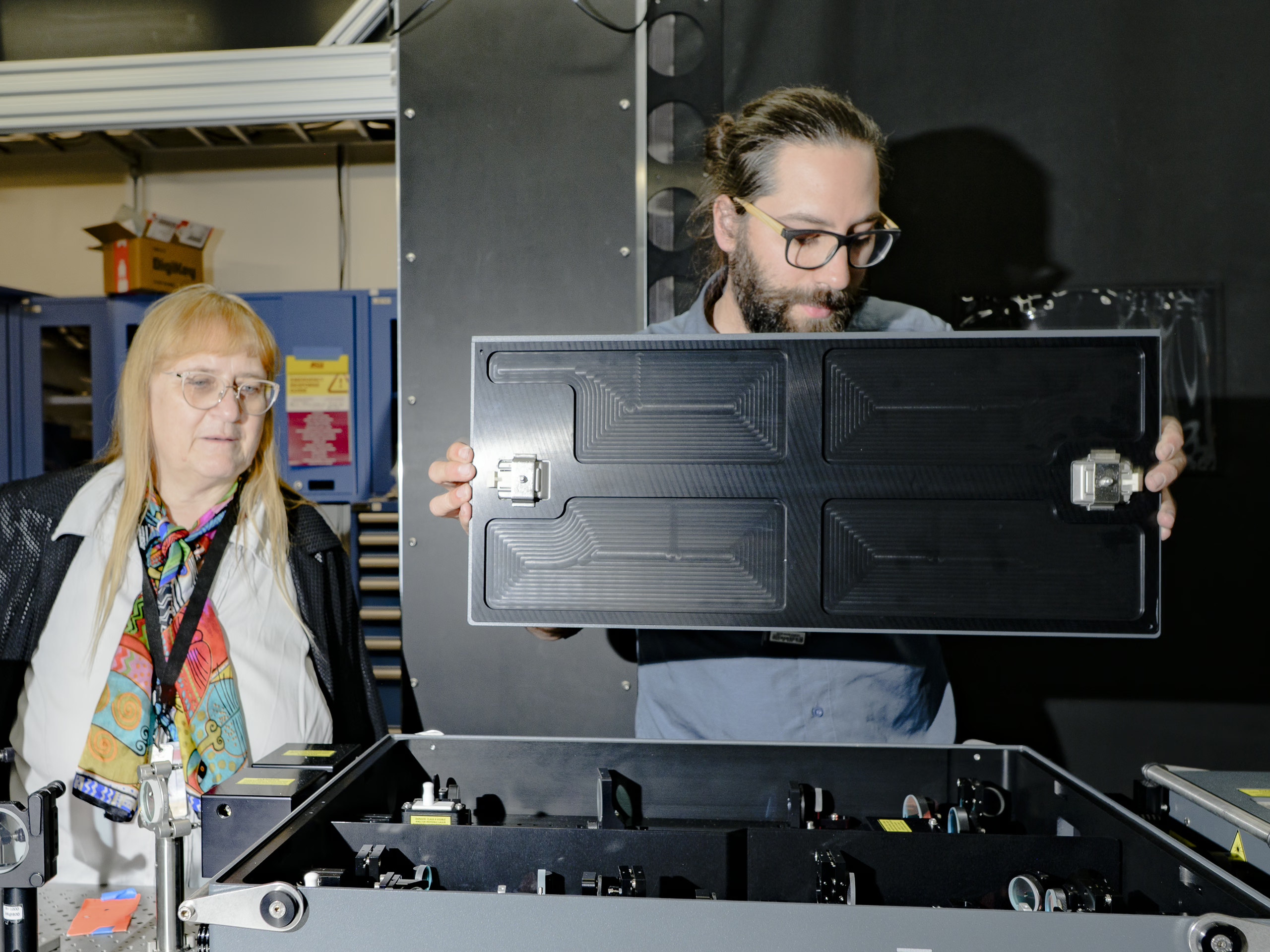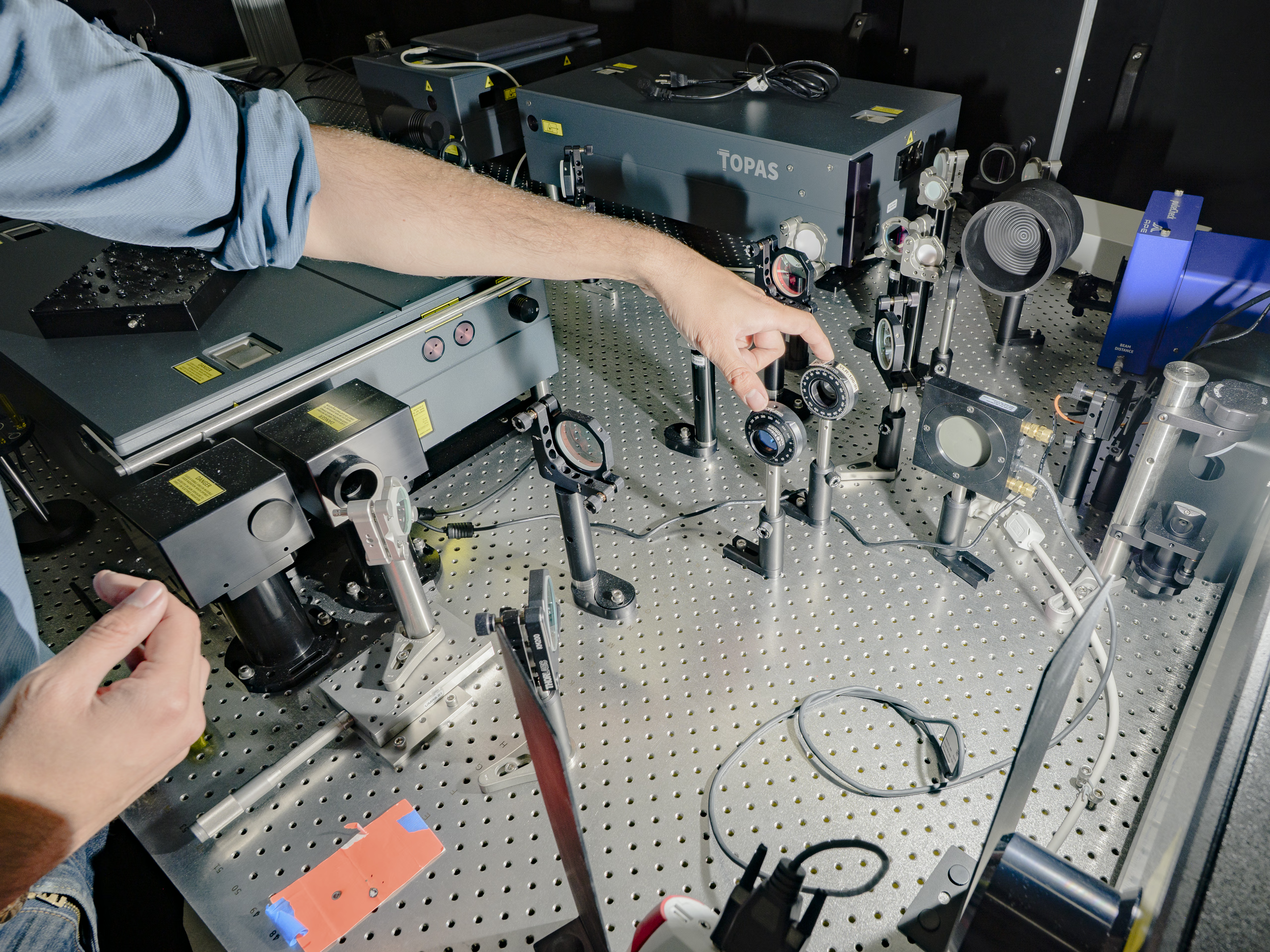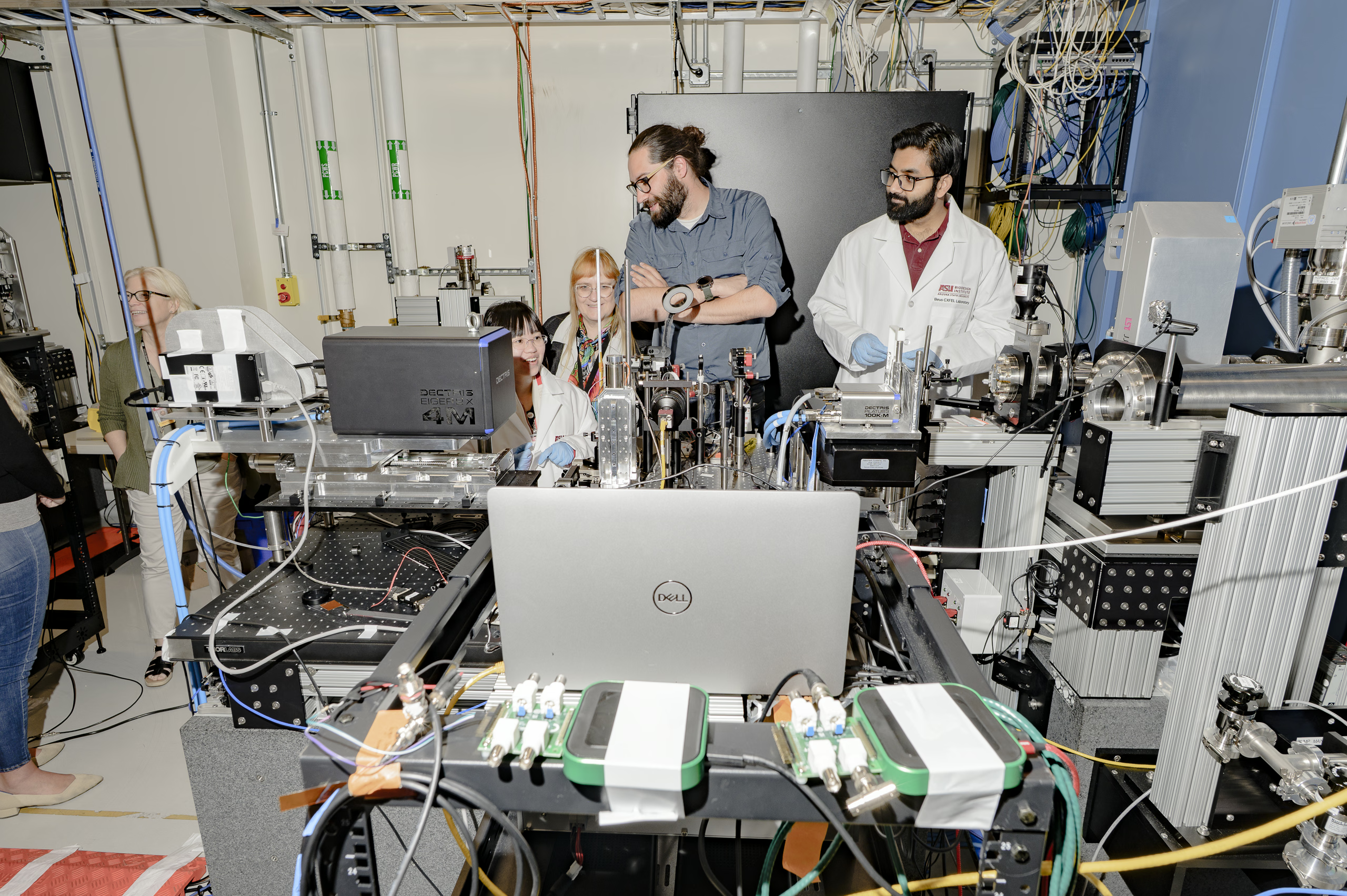
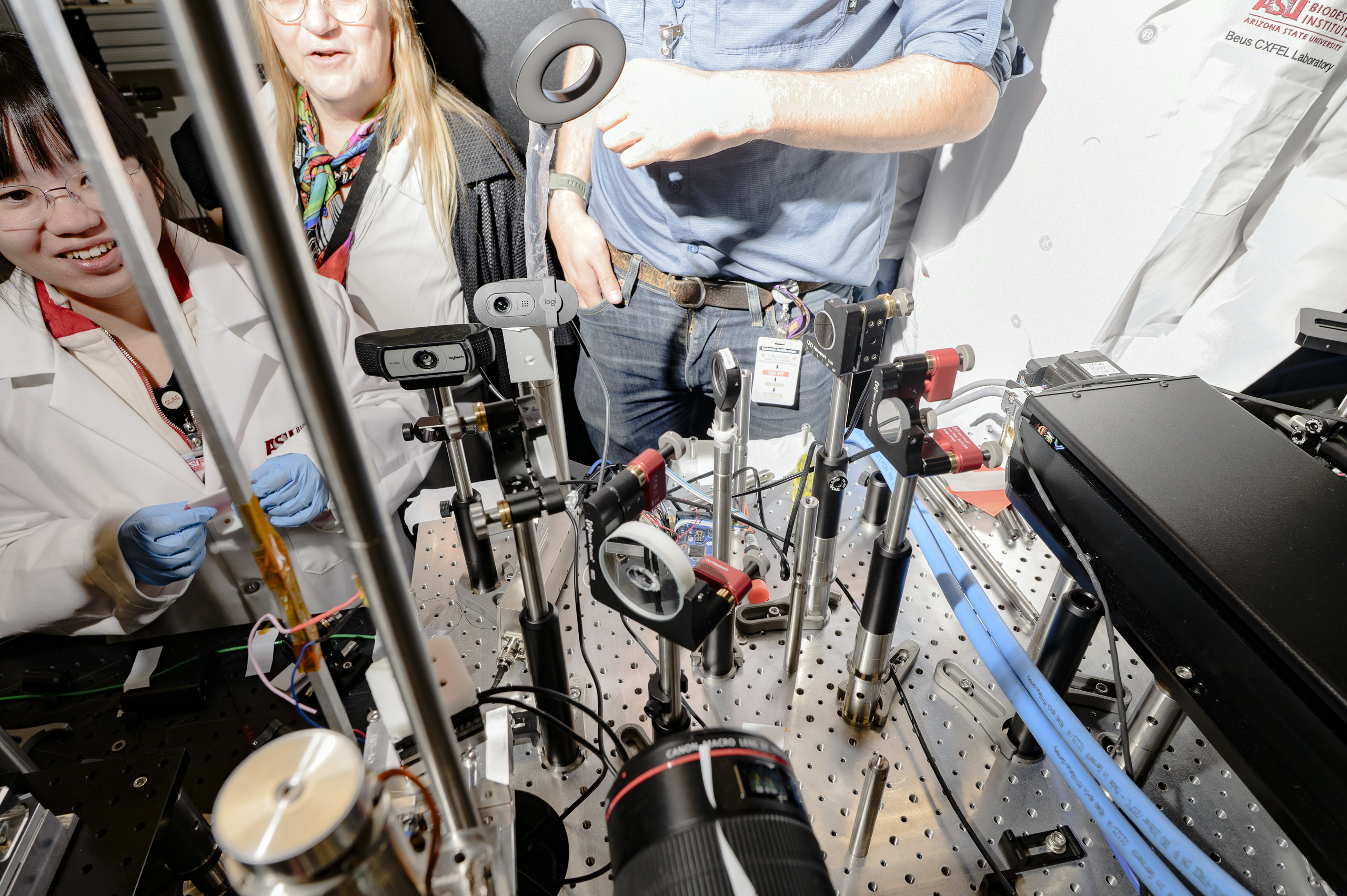
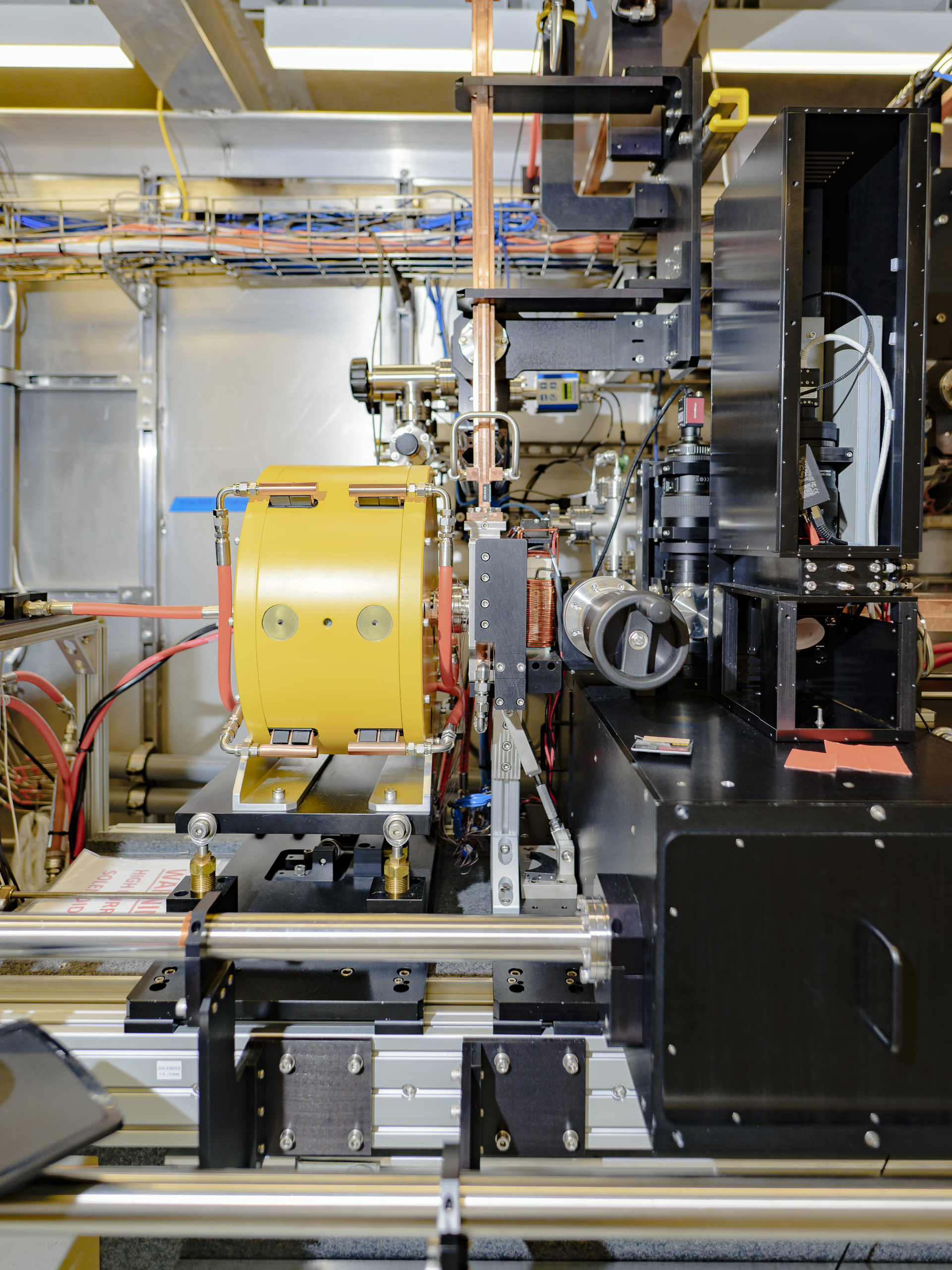
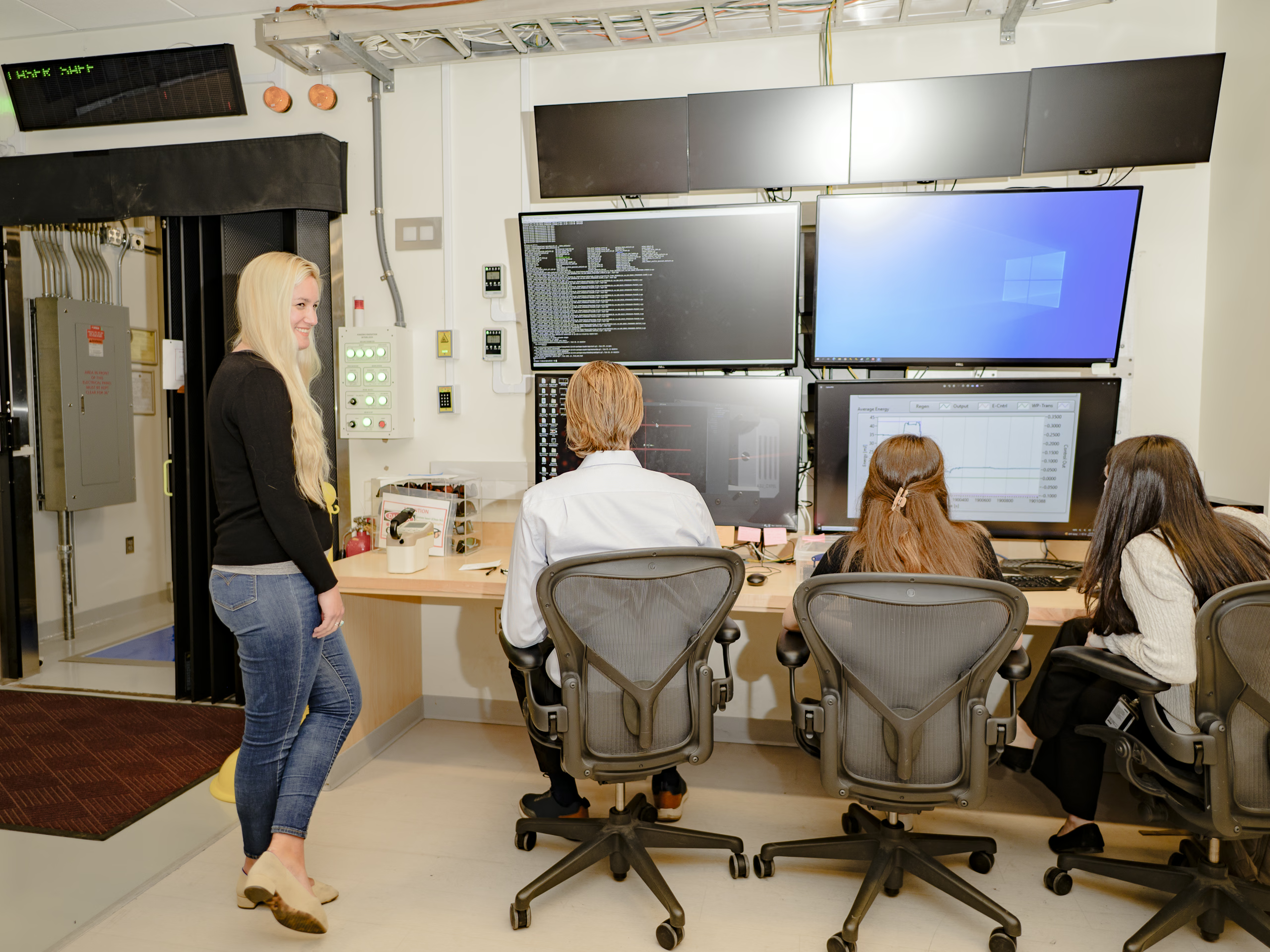
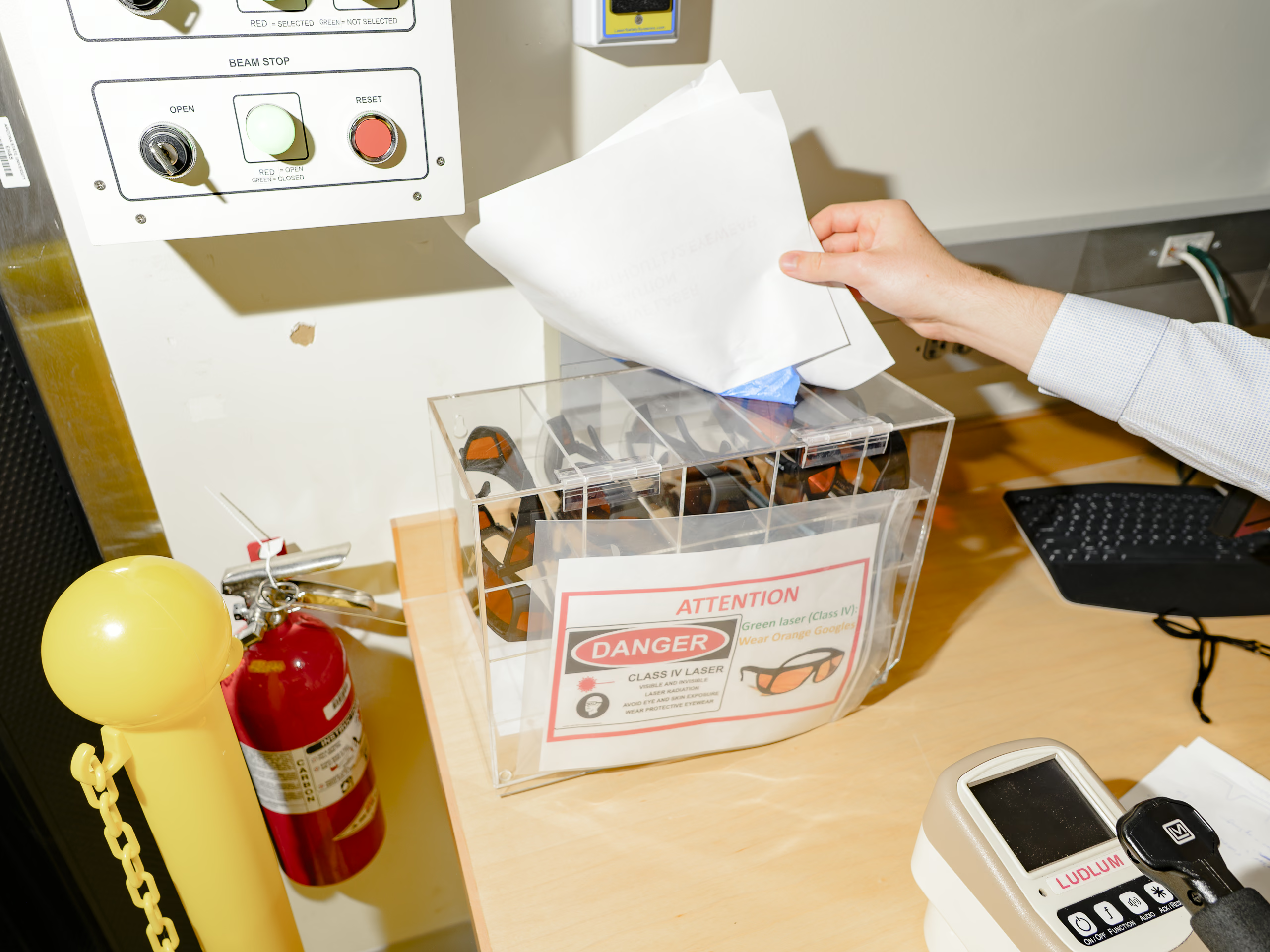
In a basement in Tempe, Arizona, the world’s first compact X-ray free-electron laser (CXFEL) squeezes the power of a kilometer-long particle accelerator into a couple of rooms.
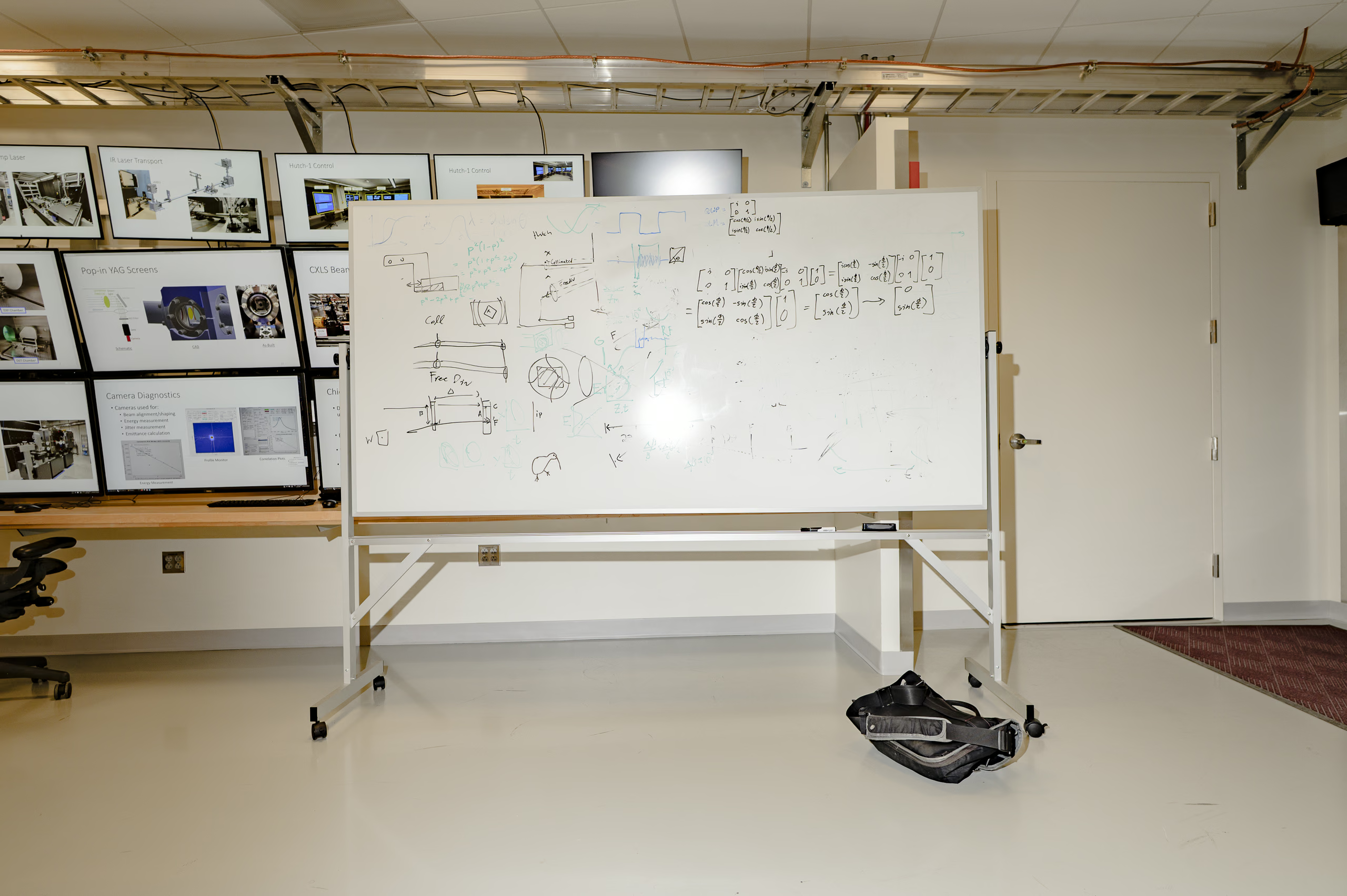
Scientists in the Arizona State University lab include a former Stanford particle physicist, molecular biologists decoding protein structures for potential medical applications and a material scientist hoping to advance solar perovskite technology. At a hundredth the size and a fraction the cost of equivalent lasers around the world, faculty told me CXFEL will “democratize science” and “accelerate the pace of discovery.”
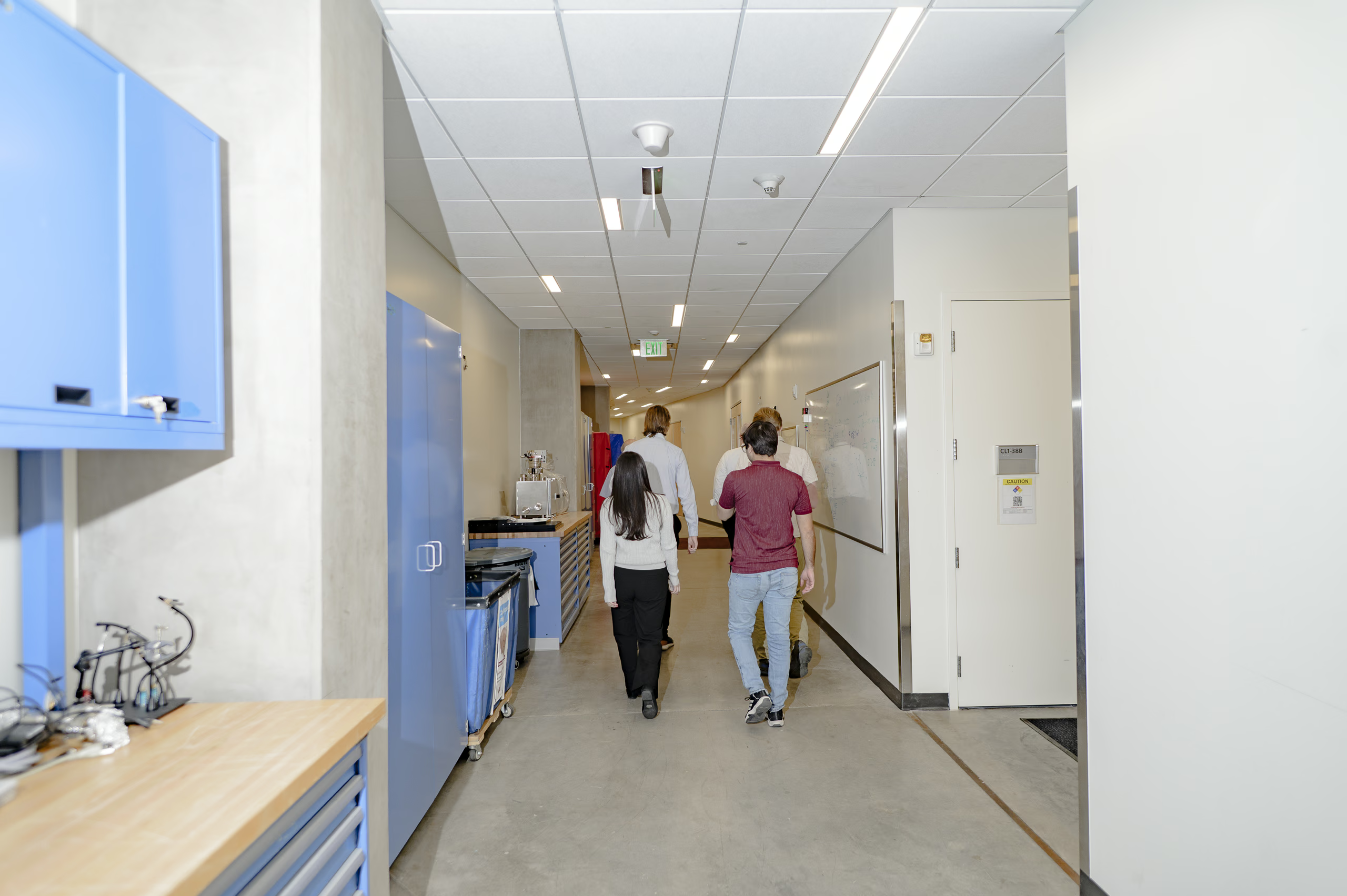
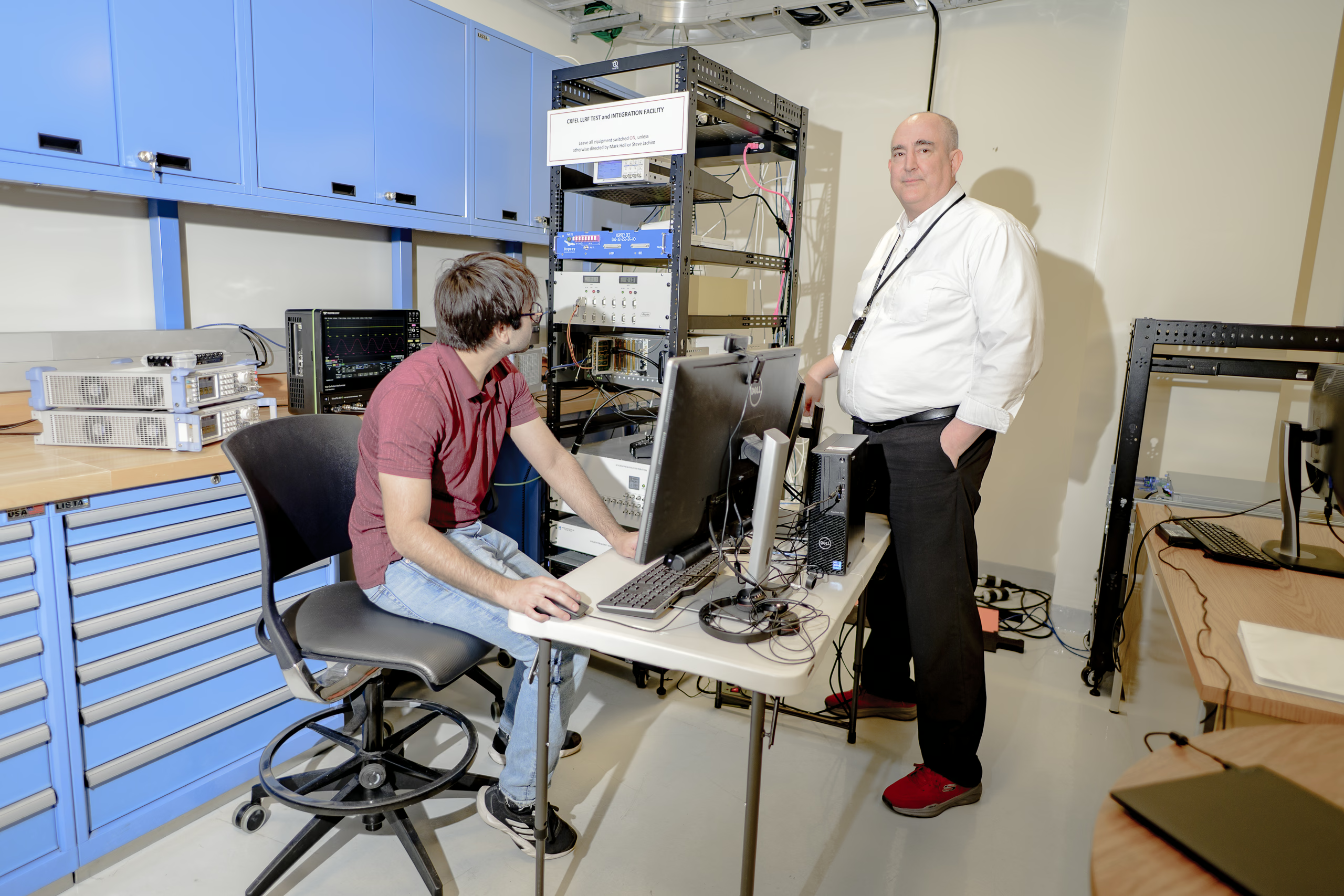
Students as young as freshmen helped assemble CXFEL and continue hands-on work with it daily — a sign of the lab’s culture that faculty described as almost shocking to colleagues at centers like the National Accelerator Laboratory in California (a Department of Energy facility whose new billion-dollar electron laser stretches two miles underground). Together, they move quickly, testing parts to failure before opening eBay for replacements. They are fixated on scientific practice over cumbersome paperwork.
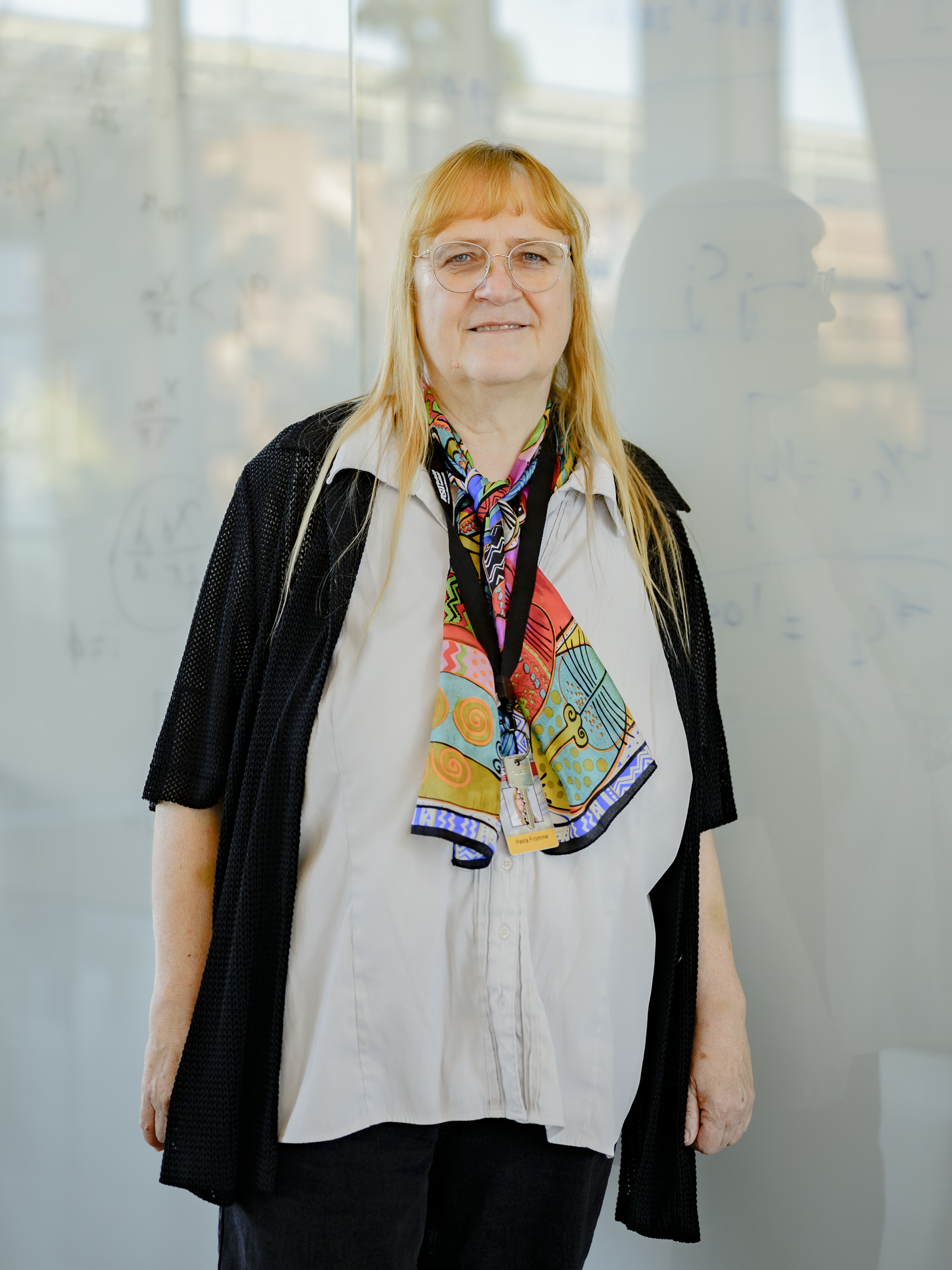
A badge on the CXFEL’s steel workbenches offers an apt description for another characteristic of its scientists: “Made in the USA with global materials.” Most of the team grew up outside the U.S., coming to the country for its dynamism and innovation. “That’s bold, I like it,” university President Michael Crow told lab director Petra Fromme when she pitched him on the project in 2014, she said. Fromme had spent two decades as a scientist in Berlin before joining ASU: boldness was a draw.
But the week I was there, speculation hovered over whether ASU would sign a proposed “compact” with the Trump administration that would require the university to limit its international student intake. Trump has leveled parallel attacks on international arrivals to the U.S. and the national science infrastructure (CXFEL received $95 million from the National Science Foundation), and ASU President Crow is working hard to maintain the factors that enabled projects like CXFEL — as Doug Belkin and Eliza Collins reported in a story I photographed for The Wall Street Journal, from which these photos are outtakes.